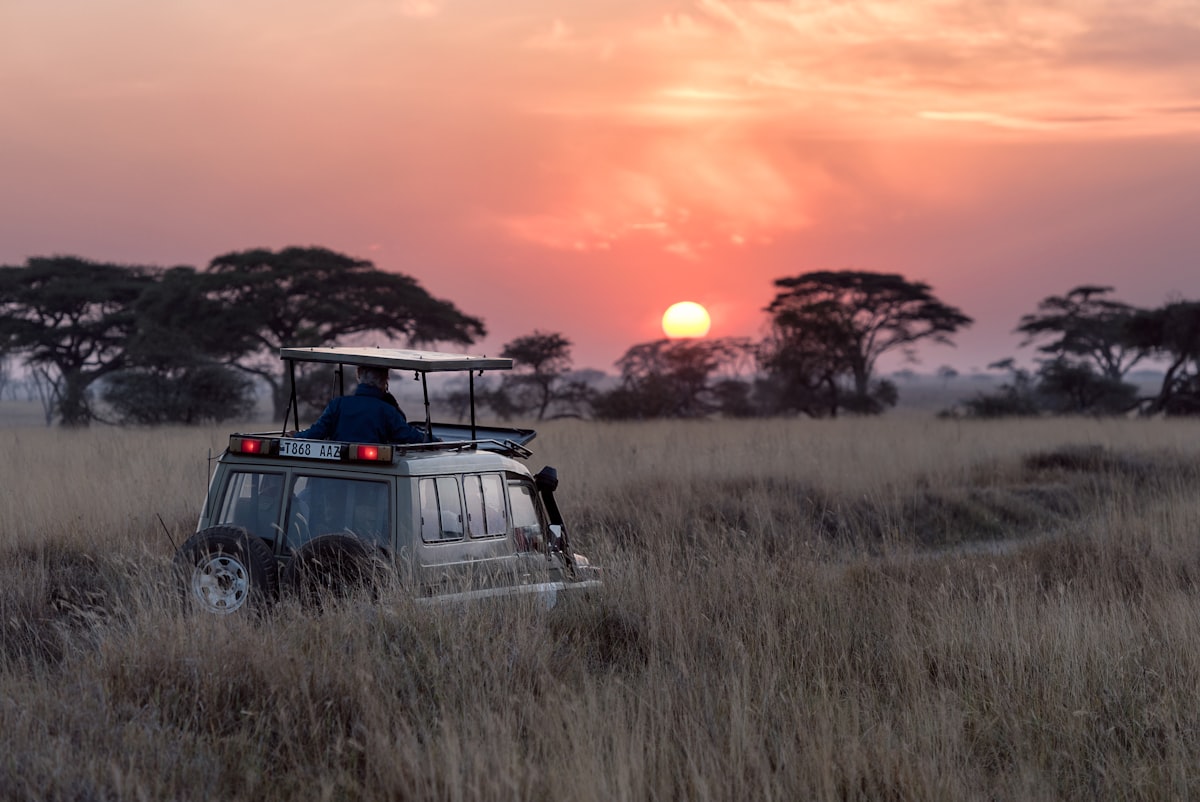
Where the savanna breathes, lions rule the golden grass and two million wildebeest storm the Mara every July.
RESERVE AREA
TRIPADVISOR
PEAK SEASON
LODGES & CAMPS
RESIDENT
Quick answer: The Masai Mara, often spelled Maasai Mara, is a national reserve in southwestern Kenya, in Narok County, on the border with Tanzania. It is the northern extension of the wider Mara-Serengeti ecosystem and covers roughly 1,510 square kilometres, about a 5 to 6 hour drive or a 45 minute flight southwest of Nairobi.
The Masai Mara National Reserve sits in Narok County in southwestern Kenya, on the border with Tanzania, and forms the northern end of the Mara-Serengeti ecosystem. It covers roughly 1,510 square kilometres of open savanna, riverine forest and rolling grassland, with a surrounding ring of private conservancies that add a similar area again.
| Detail | At a glance |
|---|---|
| Location | Narok County, southwestern Kenya |
| From Nairobi | About 270 km. 5 to 6 hours by road or 45 minutes by air |
| Size | 1,510 km2 reserve plus surrounding conservancies |
| Established | 1961 as a sanctuary, national reserve from 1974 |
| Airstrips | Keekorok, Ol Kiombo, Musiara, Mara Serena and Kichwa Tembo |
The reserve began in 1961 as a small wildlife sanctuary. It expanded over the following decade and was granted full National Reserve status in 1974, when a portion of land was returned to the local Maasai community. That arrangement, where people, livestock and wildlife share the same landscape, still holds today through the network of private conservancies around the reserve. It is one of the main reasons the Mara ecosystem remains as intact as it does.
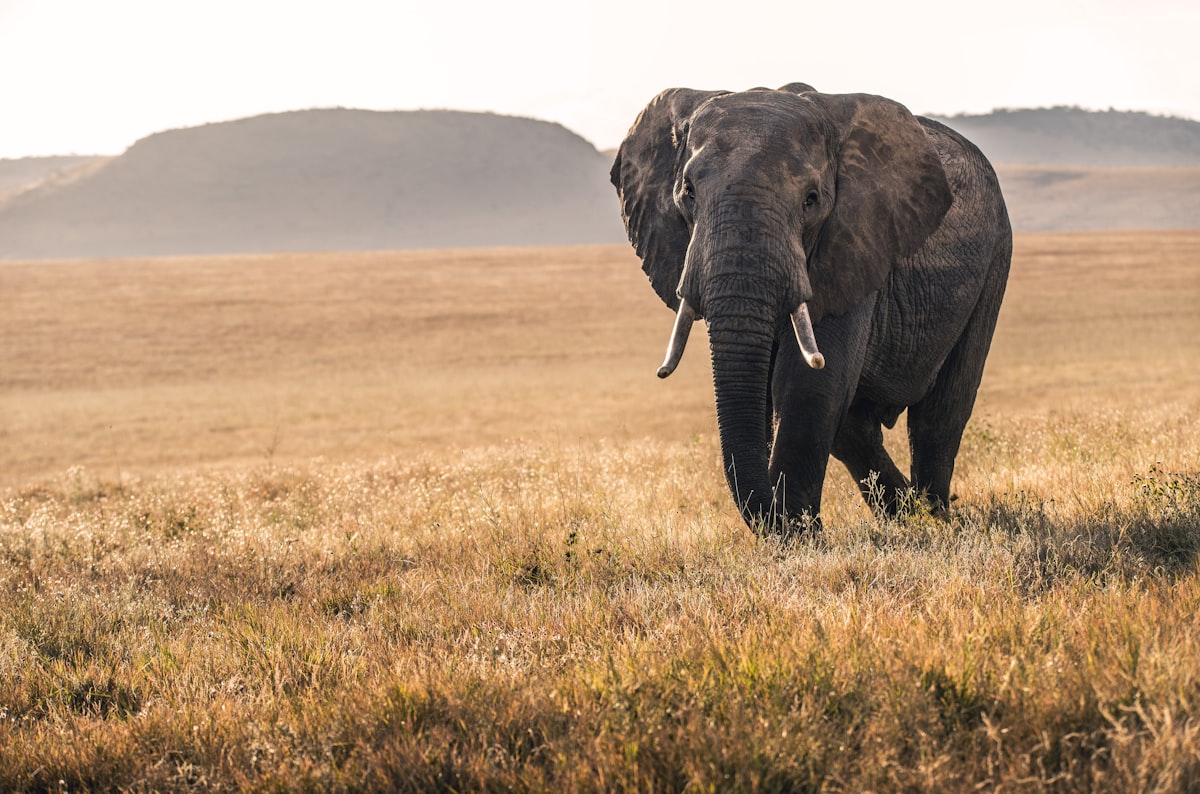
The Mara supports one of the densest large predator populations anywhere in Africa, and all of the Big Five are resident.
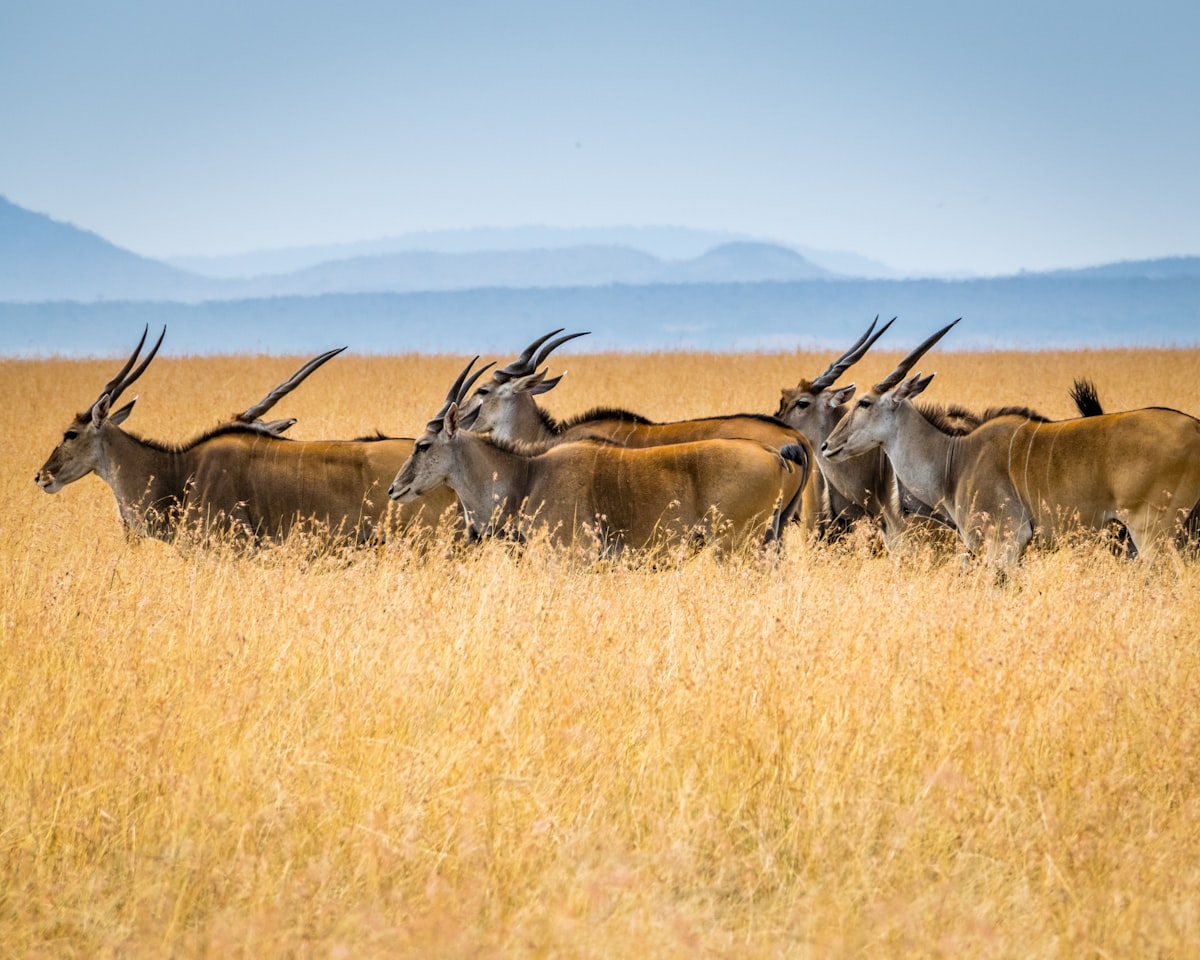
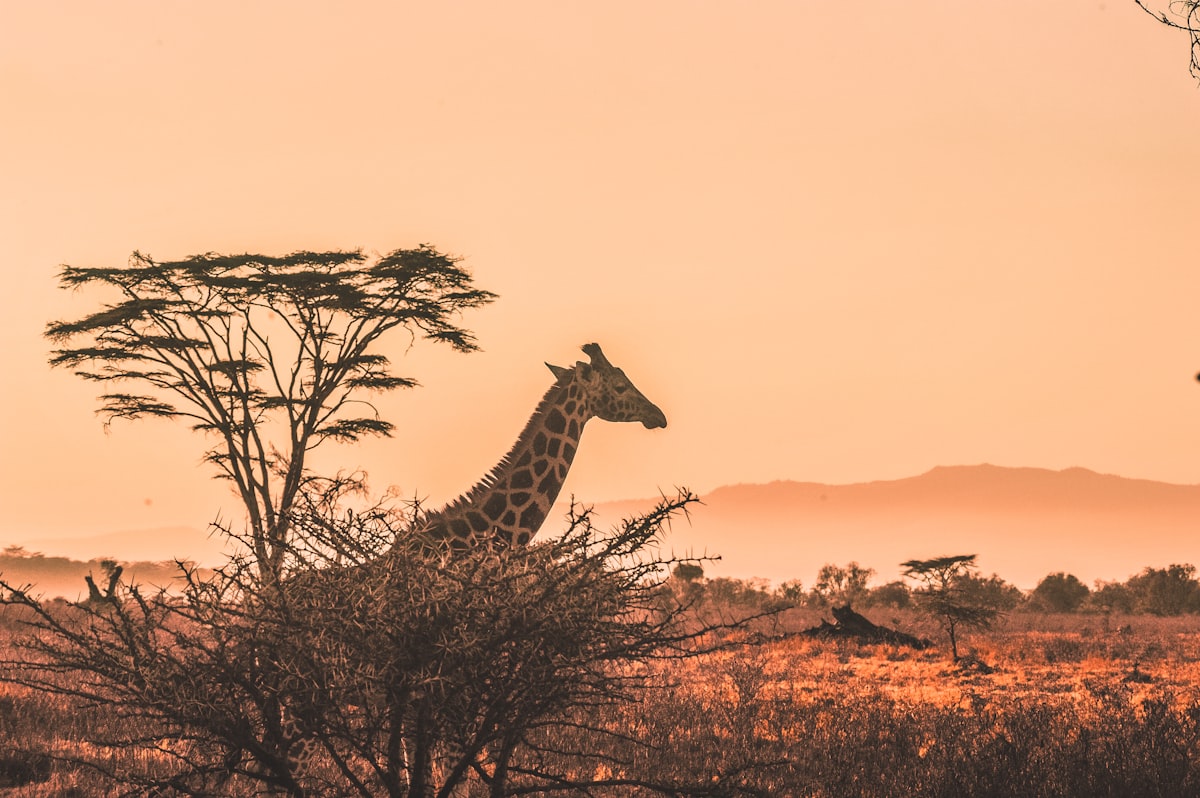
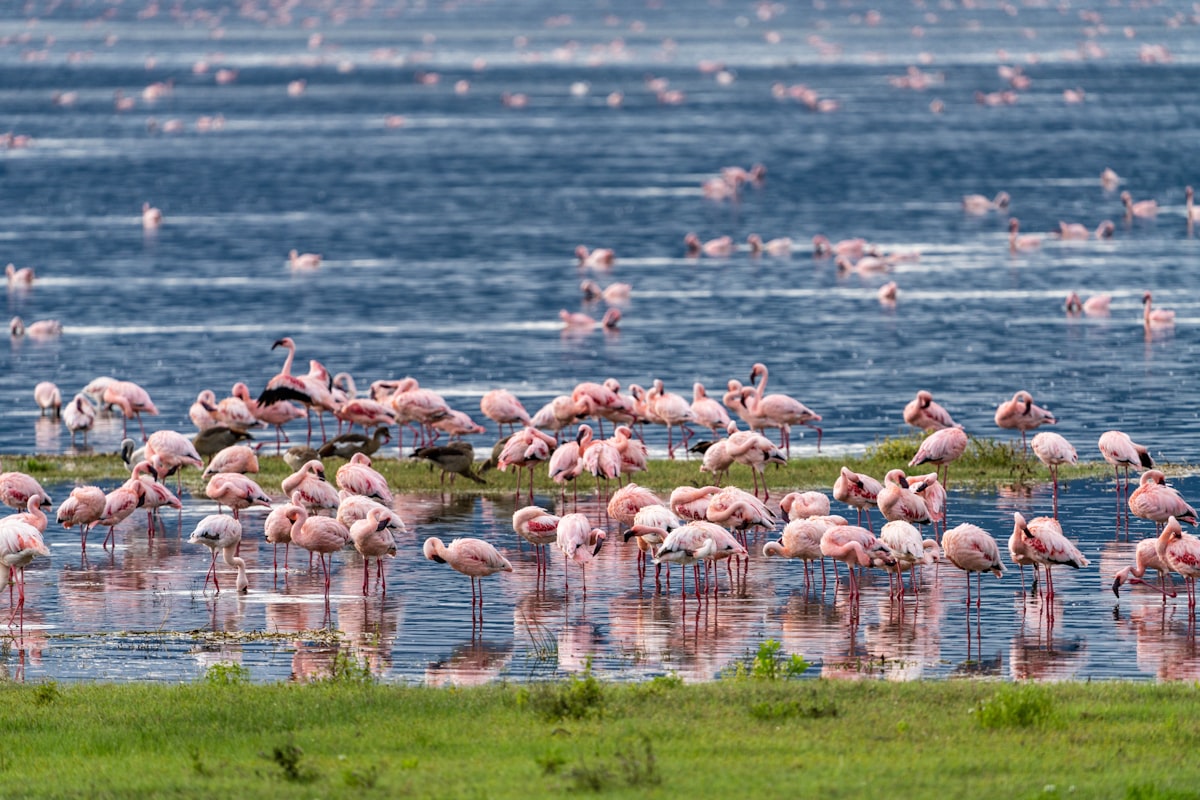
Beyond the headline species you will see topi, eland, giraffe, hippo, crocodile and more than 450 recorded bird species.
Most visitors build their days around morning and late afternoon game drives, but the Mara offers more than that.
The Mara is a year round destination, but what you see changes a great deal by month.
| Months | What to expect | Crowds |
|---|---|---|
| Jul to Oct | Migration herds in the reserve, dry weather, the best game viewing of the year | High |
| Jan to Mar | Calving season, excellent predator activity, warm and clear skies | Medium |
| Apr to Jun | Green season, lush and quiet, lower rates, afternoon rain | Low |
| Nov to Dec | Short rains ending, good value, fresh landscapes | Medium |
By road. Nairobi to the Mara takes 5 to 6 hours. The tarmac runs to Narok, after which the final stretch to Sekenani, Talek or Oloololo gate is rough. A four wheel drive is not optional in the wet season.
By air. Scheduled flights leave Wilson Airport in Nairobi each morning and afternoon and take about 45 minutes to the Mara airstrips. This is the better option on short trips because it saves a full day of driving in each direction.
Park fees. Reserve conservation fees are charged per adult per 24 hours and are higher in the July to December peak. Conservancy fees are separate and are charged by the individual conservancy. Fees change from time to time, so we confirm the current rate in writing with every quote rather than quoting from memory.
The Mara pairs naturally with these stops to make a complete East Africa journey.
Tell us your travel dates, group size and what matters most to you. We will respond within 24 hours with a tailor made proposal. No pressure, no obligation.
We run the Mara every week of the year and we know which camps sit closest to the crossings, which conservancies allow night drives and when to book for the migration. Tell us your dates and we will build the route around them.
Phone: +254 736 992 608
Email: info@solasafaritravels.com