DESTINATION GUIDE // RWANDA
Lake Kivu
One of the African Great Lakes, with no crocodiles or hippo, so you can actually swim in it.
2,700 km2
LAKE AREA
485m
MAX DEPTH
Safe
FOR SWIMMING
90 km
DEEPEST IN AFRICA
150 km
FROM KIGALI

GENERAL OVERVIEW
About Lake Kivu
Lake Kivu runs along Rwanda’s western border with the Democratic Republic of Congo, about 90 km long and up to 485 metres deep. It is one of the African Great Lakes and, at 1,460 metres above sea level, one of the highest. Green hills come down to the shore, small islands sit offshore and fishing boats work through the night with lanterns and drums.
This is not a national park and there is no game viewing. Kivu is where a Rwanda itinerary slows down, usually placed between the gorillas in the north and the rainforest in the south.
Three towns anchor the shoreline. Rubavu, formerly Gisenyi, in the north near Goma. Karongi, formerly Kibuye, in the middle and the prettiest of the three. Rusizi, formerly Cyangugu, in the south beside Nyungwe. The road linking them is one of the great drives in the region.
POINTS OF INTEREST
Where To Base Yourself
Rubavu, in the north. The most developed shoreline, with a sand beach promenade, hot springs at Nyakabuye and a lively waterfront. About an hour from Musanze, which makes it the obvious stop after gorilla trekking.
Karongi, in the middle. Quieter and more scenic than Rubavu, with dozens of small islands offshore. Napoleon Island, named for its hat shape, holds a colony of thousands of fruit bats and is the classic afternoon boat trip. Peace Island and Amahoro Island sit nearby.
Rusizi, in the south. The gateway to Nyungwe and to Kamembe airport. Practical rather than beautiful, but ideal if you are flying in or out of the southwest.
The Congo Nile Trail. A 227 km route along the shoreline between Rubavu and Rusizi, walkable in about ten days or cyclable in five. Most travellers do a half day section.
THINGS TO DO
Activities On And Around The Lake
Boat trips. To Napoleon Island for the bat colony at dusk, to the fishing villages, or simply out onto the water at sunset. Half day and full day charters are easy to arrange.
Kayaking. Kingfisher Journeys in Karongi and Rubavu run guided single and multi day paddles between islands and villages, the best way to see the shoreline at its own pace.
Cycling the Congo Nile Trail. Sections between Karongi and Kinunu run through coffee terraces and small settlements. Bikes are hired locally and support vehicles can follow.
Coffee tours. Kinunu and Kibuye washing stations run tours from cherry to cup. Rwandan coffee from these hills is exported as speciality lots and the tastings are genuinely good.
Swimming. Kivu has no crocodiles, no hippos and no bilharzia, which makes it one of the very few African lakes you can swim in without a second thought.
Fishing. Going out at night with the sambaza fishermen, who sing to keep time as they paddle, is the local experience worth doing.
WHY VISIT
What Lake Kivu Is Known For
Kivu is the recovery day. Gorilla trekking and chimpanzee tracking are both early starts and hard walking, and putting a night or two on the lake between them changes the shape of a Rwanda trip entirely.
It is also the safest swimming water in the region. No hippos, no crocodiles and no bilharzia is an unusual combination in East Africa and the reason the beaches at Rubavu are busy at weekends.
And it is where you see ordinary Rwandan life rather than the conservation economy: fishing fleets, coffee terraces, market towns and a shoreline road that most visitors never drive.
WHEN TO GO
Choosing Your Dates
June to September. The driest and sunniest stretch, best for swimming, kayaking and cycling. It aligns with the main gorilla trekking season, which is why most people see Kivu then.
December to February. A second dry window, warm and clear, with slightly fewer visitors.
March to May. The long rains. Afternoon storms over the water are dramatic, the hills are at their greenest and lodges are cheapest, but boat trips are more often cancelled.
October and November. Short rains, mostly late in the day, with mornings usually clear.
The lake sits at 1,460 metres, so temperatures are mild all year, roughly 18 to 27 degrees, and evenings can be cool.
GETTING THERE
How To Reach The Lake
To Rubavu from Musanze. About 60 km and an hour on tarmac, the standard move after gorilla trekking.
To Rubavu from Kigali. Around 155 km and three hours through Musanze.
To Karongi from Kigali. Around 135 km and two and a half to three hours on a winding but surfaced road.
To Rusizi. Around six hours by road from Kigali, or thirty minutes by air to Kamembe airport, which is also the gateway for Nyungwe.
Along the shoreline. Rubavu to Karongi takes about three hours, Karongi to Rusizi about three and a half. Both are slow, beautiful drives rather than transfers.
WHERE TO STAY
Hotels And Lodges
Lake Kivu Serena Hotel, Rubavu. The most polished option in the north, with lake frontage, a pool and gardens.
Cormoran Lodge, Karongi. Wooden chalets on a steep hillside above the water, widely considered the most attractive setting on the lake.
Cleo Lake Kivu, Rubavu. Modern rooms on the waterfront, mid to upper range.
Rushel Kivu Lodge, Karongi. Simple and well placed for island boat trips.
Emeraude Kivu Resort, Karongi. Circular cottages with lake views, good mid range value.
Guesthouses. Plenty of clean, inexpensive options in all three towns, and the Congo Nile Trail has basic homestays along its length.
SAFETY AND PRACTICALITIES
What To Know Before You Go
Swimming. Safe and popular. No crocodiles, no hippos, no bilharzia.
The methane question. Kivu holds large volumes of dissolved methane and carbon dioxide at depth. It is monitored continuously and commercially extracted for power generation at the KivuWatt plant. Surface conditions are entirely safe for swimming and boating.
Malaria. Present at this altitude but at lower risk than the lowlands. Prophylaxis is sensible, particularly if you are also visiting Akagera.
The DRC border. Goma sits directly across from Rubavu. We do not run trips across the border and advise against crossing independently. The Rwandan shoreline itself is calm and well policed.
Boats. Use operators who provide life jackets. Afternoon winds can pick up quickly on open water.
Cash. ATMs exist in all three towns but card acceptance is patchy outside the larger hotels.
SAMPLE ITINERARY
How Two Nights Usually Look
Day one. Drive down from Musanze after your gorilla trek, about an hour, and arrive at Rubavu in time for a late lunch on the water. Afternoon on the beach or a walk along the promenade, then dinner watching the fishing boats go out.
Day two. Morning boat trip to the islands or a guided kayak along the shoreline. Afternoon coffee washing station tour at Kinunu, or a section of the Congo Nile Trail by bike.
Day three. Drive south along the shore to Karongi or continue to Rusizi and Nyungwe, roughly three hours either way, with stops at viewpoints and villages along the road.
TOURS WITH US
Safaris With Sola Safari Travels
We place Kivu between the demanding parts of a Rwanda trip rather than treating it as a destination in its own right. The usual pattern is gorillas in the Virungas, two nights on the lake at Rubavu or Karongi, then south to Nyungwe and out through Kamembe.
Boats, kayaks, coffee tours and bikes are arranged before you arrive, and the shoreline drive is done in a private 4×4 with a driver guide who will stop wherever the view is worth it.
SAFARI PACKAGES
Safaris That Include Lake Kivu
Lake Kivu sits in the middle of a Rwanda circuit rather than at either end. These itineraries include it as the recovery stretch. All departures are private.

3 DAYS / 2 NIGHTS
3 Days Rwanda Gorilla Trek
The shortest gorilla trip in Africa. Kigali to the Virunga slopes in under three hours.
From $2,450 per person
6 DAYS / 5 NIGHTS
6 Days Gorillas and Chimpanzees Uganda
Gorillas in Bwindi and chimpanzees in Kibale, with Queen Elizabeth in between.
From $2,650 per person

10 DAYS / 9 NIGHTS
10 Days Ultimate East Africa
Amboseli, the Masai Mara, the Serengeti and the Ngorongoro Crater at an unhurried pace.
From $2,300 per person
KEY QUESTIONS
Lake Kivu Safari, Key Questions
Yes. Kivu has no crocodiles, no hippos and no bilharzia, which makes it one of the few large African lakes where swimming is straightforward. The dissolved methane at depth is continuously monitored and does not affect surface conditions.
Rubavu if you are coming straight from gorilla trekking, since it is only an hour from Musanze. Karongi if you want the prettiest setting and the island boat trips. Rusizi if you are heading to Nyungwe or flying out of Kamembe.
Two is ideal. One night feels like a stopover, three is generous unless you are cycling the Congo Nile Trail or doing a multi day kayak.
Not in a safari sense. The draw is the fruit bat colony on Napoleon Island, birdlife along the shore and the fishing communities. Game viewing belongs to Akagera and the primates to the forests.
Goma is directly across the water from Rubavu but we do not run trips into the DRC and advise against crossing independently. The Rwandan side of the lake is calm and well policed.
Three hours by road to Rubavu, two and a half to three to Karongi, or thirty minutes by air to Kamembe for the southern end. Most itineraries arrive from Musanze after gorilla trekking rather than direct from the capital.
EXPLORE MORE
Pair Lake Kivu With Other Destinations
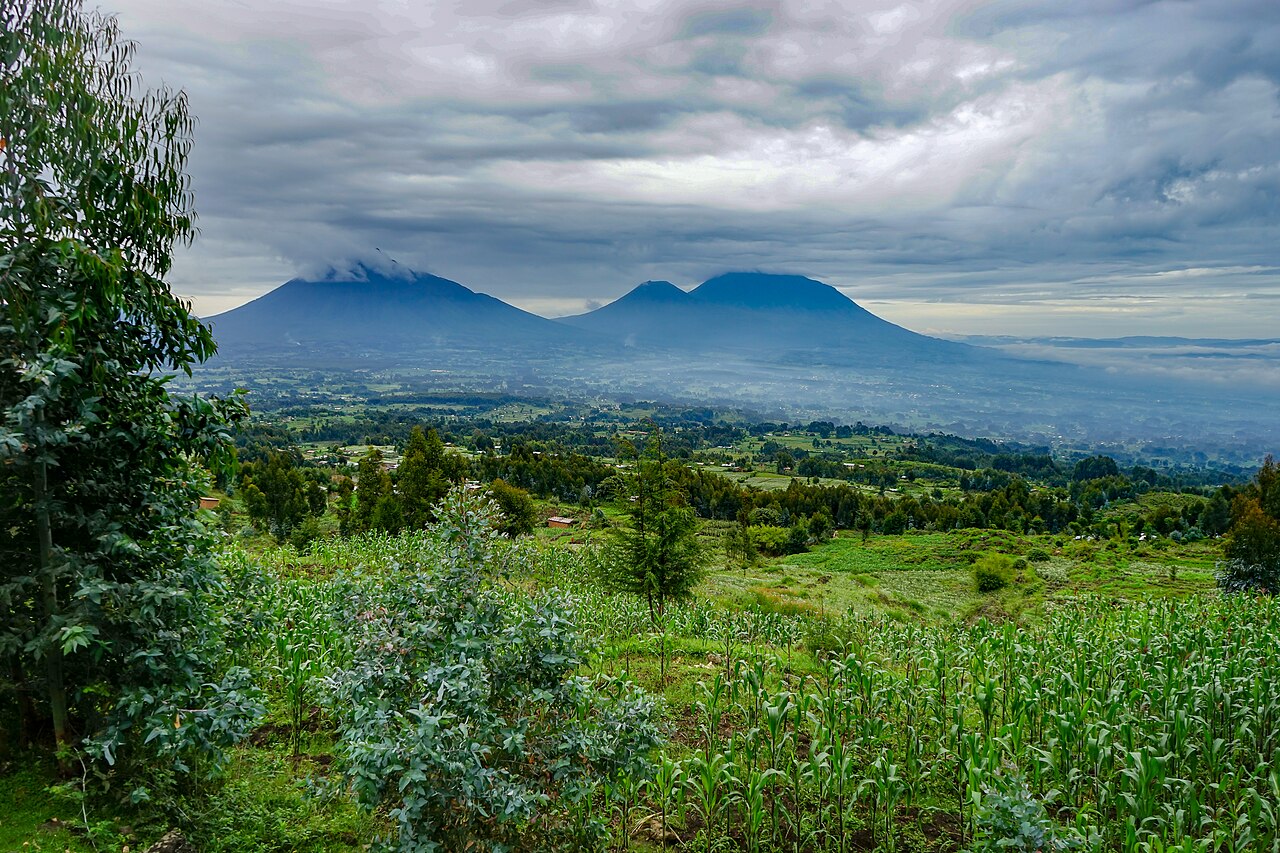
The lake road connects the north and the southwest, so both the volcanoes and the rainforest are within a morning of the shoreline.
Your Lake Kivu Safari Starts Here
Tell us your dates and group size. We will reply within 24 hours with a tailor made proposal and a clear price.
TAILOR MADE SAFARI
Want to Know More? Talk to Us
Create an unforgettable memory with a customised Kenya or Tanzania safari. Tell us how you like to travel and our safari experts will shape the route around you, with no obligation.
Phone: +254 736 992 608
Email: info@solasafaritravels.com