DESTINATION GUIDE // RWANDA
Gishwati-Mukura National Park
Rwanda newest and smallest park, a forest brought back from near total loss and now a UNESCO biosphere reserve.
34 km2
PARK AREA
2015
ESTABLISHED
2020
UNESCO BIOSPHERE
Chimps
RESIDENT
232
PLANT SPECIES


GENERAL OVERVIEW
About Gishwati-Mukura National Park
Gishwati-Mukura is Rwanda’s fourth and newest national park, gazetted in 2015 and formally opened to visitors in 2019. It joins two separate remnant forests in the northwest: Gishwati, the larger of the two, and Mukura, a smaller block to the south. Together they cover around 34 square kilometres, which makes this by far the smallest of Rwanda’s parks.
The story here is loss and repair. Gishwati covered roughly 100,000 hectares in the 1970s. By 2001 clearance for farming, cattle and resettlement had reduced it to about 600 hectares, a decline of over 99 per cent. What survives is being actively restored, and in 2020 UNESCO designated the combined area a Biosphere Reserve.
It sits on the ridge between Lake Kivu and the road south to Nyungwe, which makes it a natural half day stop rather than a destination people fly in for. Visitor numbers are very low, and that is much of the appeal.
WILDLIFE
What Lives In The Forest
Chimpanzees. A small community of around twenty animals lives in Gishwati. They are not habituated in the way the Nyungwe communities are, so they keep their distance and sightings are uncommon. Treat any encounter as a bonus rather than the reason for the visit.
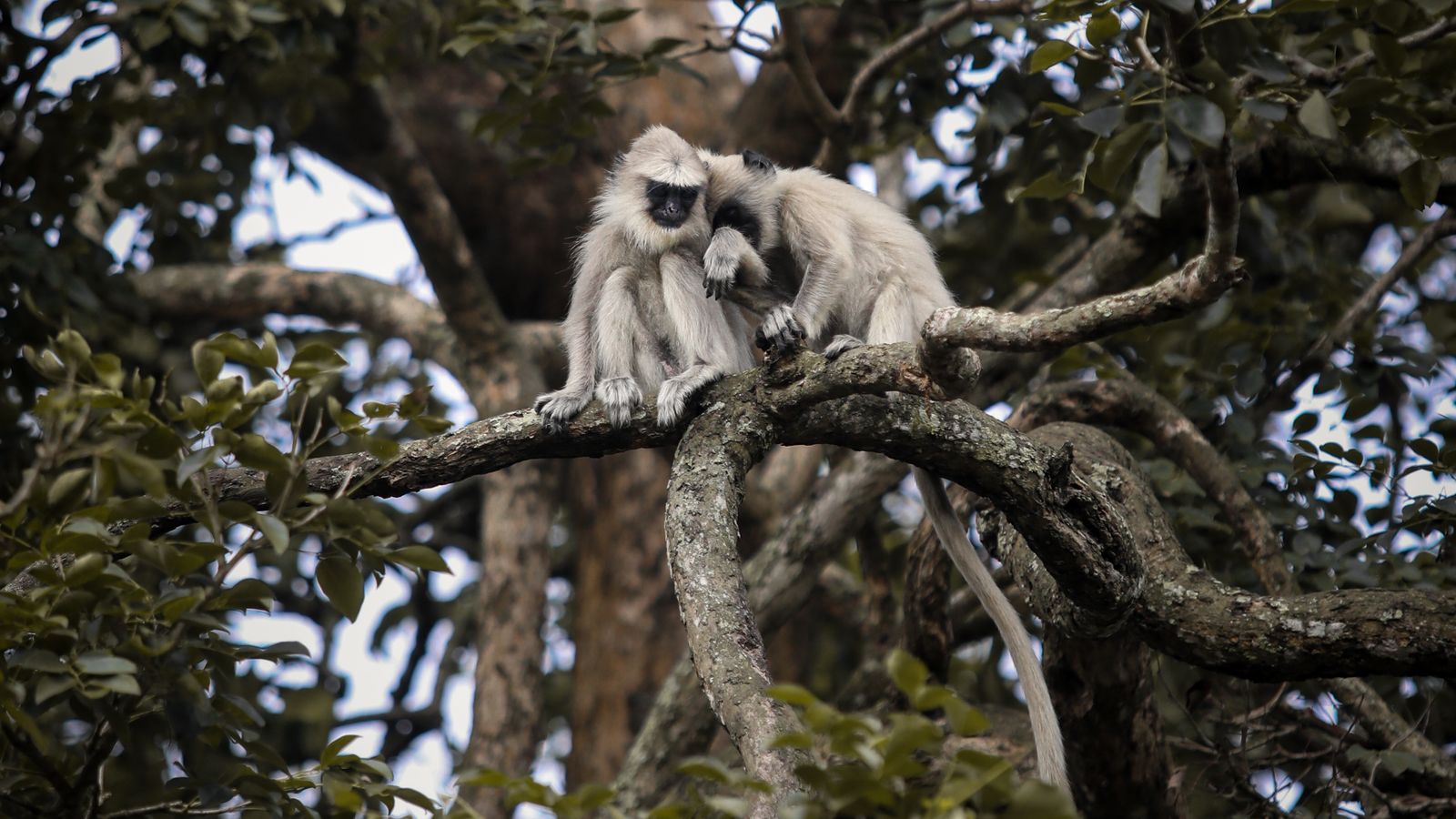
Other primates. Golden monkeys, L’Hoest’s monkey, which is an Albertine Rift endemic, blue monkeys and olive baboons. These are seen far more reliably than the chimps.
Birds. Around 232 species recorded in Gishwati and 163 in Mukura, including Albertine Rift endemics such as the Rwenzori turaco, regal sunbird, strange weaver and Grauer’s swamp warbler.
Plants. Around 60 tree species including indigenous hardwoods, bamboo stands and tree ferns, with the mix shifting noticeably between the older core and the replanted edges.
ACTIVITIES
What You Can Do Here
Guided nature hikes. The core activity. Trails run through mature forest and restoration plots with a guide explaining what is being replanted and why. Two to four hours, moderate effort.
Primate tracking. Chimpanzee and golden monkey tracking are both offered. Golden monkeys are the more dependable of the two.
Bird walks. Dedicated guided birding for Albertine Rift endemics, and the low visitor numbers mean you generally have the trails to yourself.
Waterfall walk. A short guided hike to the forest waterfall, the easiest of the options and suitable for most fitness levels.
Community experiences. Tea plantation visits, a beekeeping cooperative, traditional healer walks and a live cultural dance troupe in the villages on the park boundary. These are organised through the same office as the park activities and the income goes directly to the cooperatives.
WHY VISIT
What Makes It Different
This is the only place in Rwanda where the subject of the visit is restoration rather than wildlife. You walk through forest that was almost entirely cleared and is being brought back, with guides who can point to the boundary between what survived and what has been replanted since.
It is also empty. Volcanoes and Nyungwe both have busy trailheads in season. Gishwati-Mukura rarely does, and for travellers who want a forest walk without a schedule or a group of eight, that is the draw.
Practically, it is well placed. The park sits on the road between Rubavu and Karongi on Lake Kivu, so it slots into a Rwanda circuit as a morning’s activity without adding a travel day.
BEST TIME TO VISIT
When To Go
June to September, the long dry season. The best trail conditions and the easiest walking. This is when most visitors come.
December to February. A drier interval with good conditions.
March to May, the long rains. The forest is spectacular and the trails are genuinely muddy. Primate tracking becomes hard work.
October and November. Short rains, generally in the afternoon, with clear mornings for walking.
The forest sits between roughly 2,000 and 3,000 metres, so it is cool and often misty in every season. Bring a layer even in the dry months.
GETTING THERE
How To Reach The Park
From Kigali. Around 130 km northwest, three to three and a half hours on tarmac through Muhanga and Ngororero.
From Musanze and the Virungas. About two hours south, which makes it an easy addition after gorilla trekking.
From Rubavu on Lake Kivu. Roughly an hour and a half, the shortest approach and the one most itineraries use.
Access. The final stretch is graded road and a 4×4 is advisable, particularly in the rains.
Activities are booked through the park office and start from the reception at Kinihira. Arrive by 8am for the longer walks.
FEES AND PERMITS
What You Pay
Chimpanzee tracking is priced at around 250 US dollars per person for international visitors, which includes park entry and is paid to the Rwanda Development Board. The chimpanzees here are unhabituated, so sightings are less frequent than in Nyungwe, where a permit costs around 150 dollars. We will talk you through which of the two suits the trip you are planning.
Guided nature hikes, bird walks, waterfall walks and golden monkey tracking cost considerably less and are what most visitors come for. Rwandan and East African Community citizens pay heavily reduced rates across all activities.
Community experiences such as the tea tour, beekeeping visit and cultural performances are priced separately and go to the cooperatives that run them. We book and pay everything in advance so nothing is settled on the day.
WHERE TO STAY
Bases And Lodges
There is no lodge inside the park and accommodation immediately around it is limited. Most visitors stay elsewhere and come in for the morning.
On Lake Kivu at Rubavu. An hour and a half away and the most comfortable base, with the Serena, Cleo and a range of guesthouses.
At Karongi. Cormoran Lodge and Emeraude Kivu Resort, roughly two hours south.
In Musanze. Two hours north, useful if you are combining with gorilla trekking on consecutive days.
Local guesthouses. Simple options exist in Ngororero and the villages on the park edge for travellers who want an early start.
TRAVEL TIPS
What To Know Before You Go
Set your expectations. This is a forest walk with primates, not a wildlife spectacle. It rewards travellers who come for the restoration story and a quiet trail rather than a headline sighting.
Footwear. Waterproof boots with grip. The trails are steep and the clay holds water long after rain.
Layers. It is cool and misty at this altitude even in the dry season.
Book ahead. The park office is small and guides are limited. Activities should be arranged in advance rather than turning up.
Combine it. It works best as a morning between Lake Kivu and the volcanoes rather than as a detour on its own.
TOURS WITH US
Safaris With Sola Safari Travels
We include Gishwati-Mukura as a half day on the Kivu shoreline leg for travellers who want more forest time or who are interested in the restoration work. It fits neatly between Rubavu and Karongi without costing a travel day.
Guides, community visits and permits are arranged in advance, and we will help you weigh the chimpanzee tracking against the other activities before you commit. The drive is in a private 4×4 with the same driver guide throughout.
SAFARI PACKAGES
Safaris That Include Gishwati-Mukura
Gishwati-Mukura is a half day rather than a trip. These Rwanda itineraries have the room to include it. All departures are private.

KEY QUESTIONS
Gishwati-Mukura Safari, Key Questions
It works beautifully as a morning stop on the Lake Kivu leg. The forest is small and the wildlife is quieter than Nyungwe or the Virungas, so it suits travellers who want an unhurried walk rather than a headline sighting. What it offers instead is an empty trail and a restoration story you will not find anywhere else in Rwanda.
Sometimes. The community numbers around twenty animals and they are not habituated, so they tend to keep their distance. Golden monkeys and L’Hoest’s monkeys are seen far more reliably. If chimpanzees are the main reason for your trip, Nyungwe offers habituated communities and a lower permit price.
Chimpanzee tracking runs at about 250 US dollars per person including park entry. Guided hikes, bird walks and golden monkey tracking cost considerably less. East African citizens pay heavily reduced rates.
Half a day for a guided hike or a bird walk, a full morning for primate tracking. Very few people stay overnight nearby.
An hour and a half from Rubavu on Lake Kivu, two hours from Musanze, or three to three and a half hours from Kigali. A 4×4 is advisable for the last stretch of graded road.
The combined Gishwati and Mukura forests were designated a UNESCO Biosphere Reserve in 2020, recognising the restoration work and the surrounding buffer zone where farming and conservation are managed together.
EXPLORE MORE
Pair Gishwati-Mukura With Other Destinations
The park sits on the ridge above Lake Kivu, between the volcanoes in the north and the rainforest in the southwest.
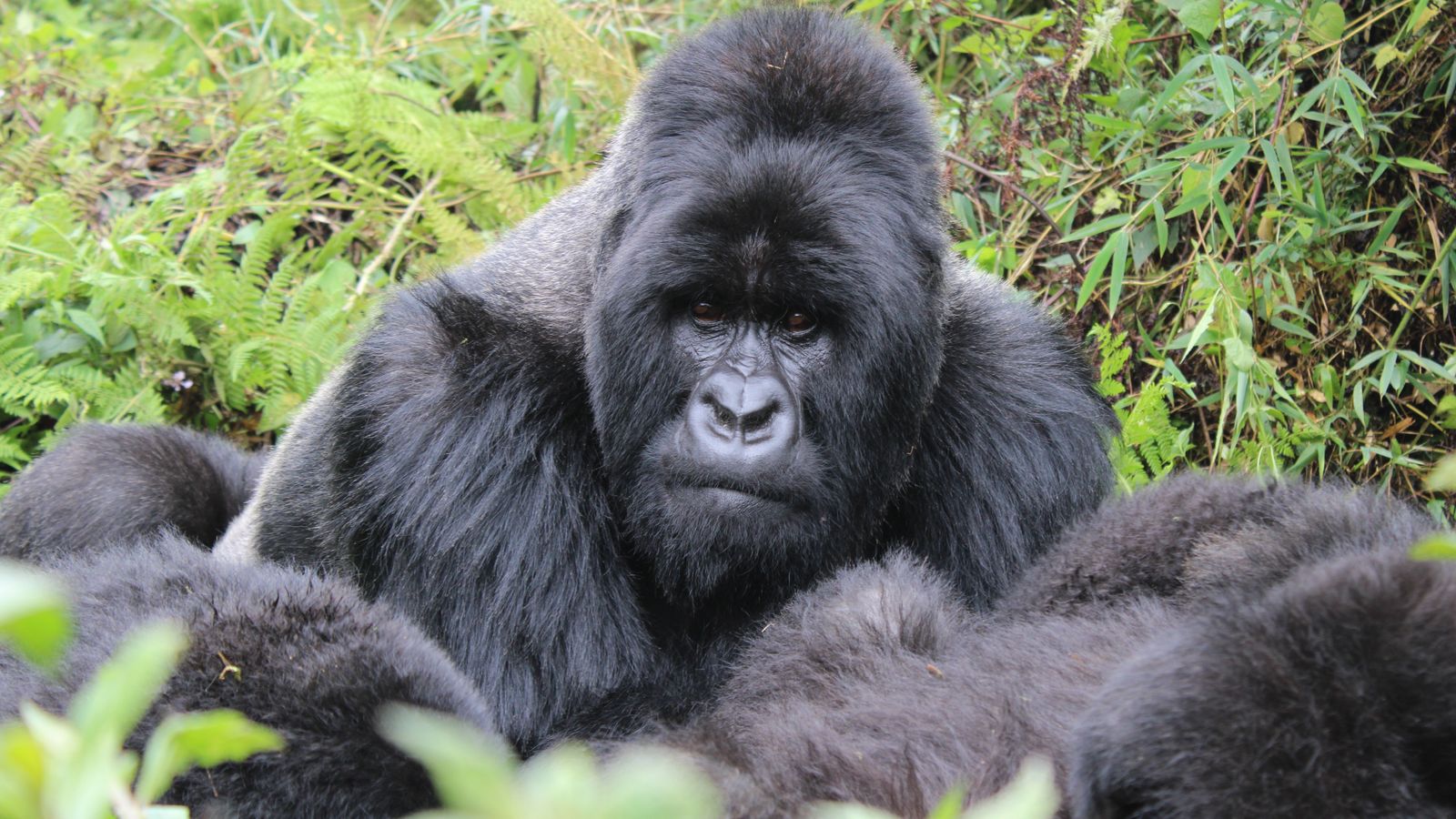
Nyungwe Forest National Park
The larger rainforest, with habituated chimps and the canopy walk.
Your Gishwati-Mukura Safari Starts Here
Tell us your dates and group size. We will reply within 24 hours with a tailor made proposal and a clear price.
TAILOR MADE SAFARI
Want to Know More? Talk to Us
Create an unforgettable memory with a customised Kenya or Tanzania safari. Tell us how you like to travel and our safari experts will shape the route around you, with no obligation.
Phone: +254 736 992 608
Email: info@solasafaritravels.com