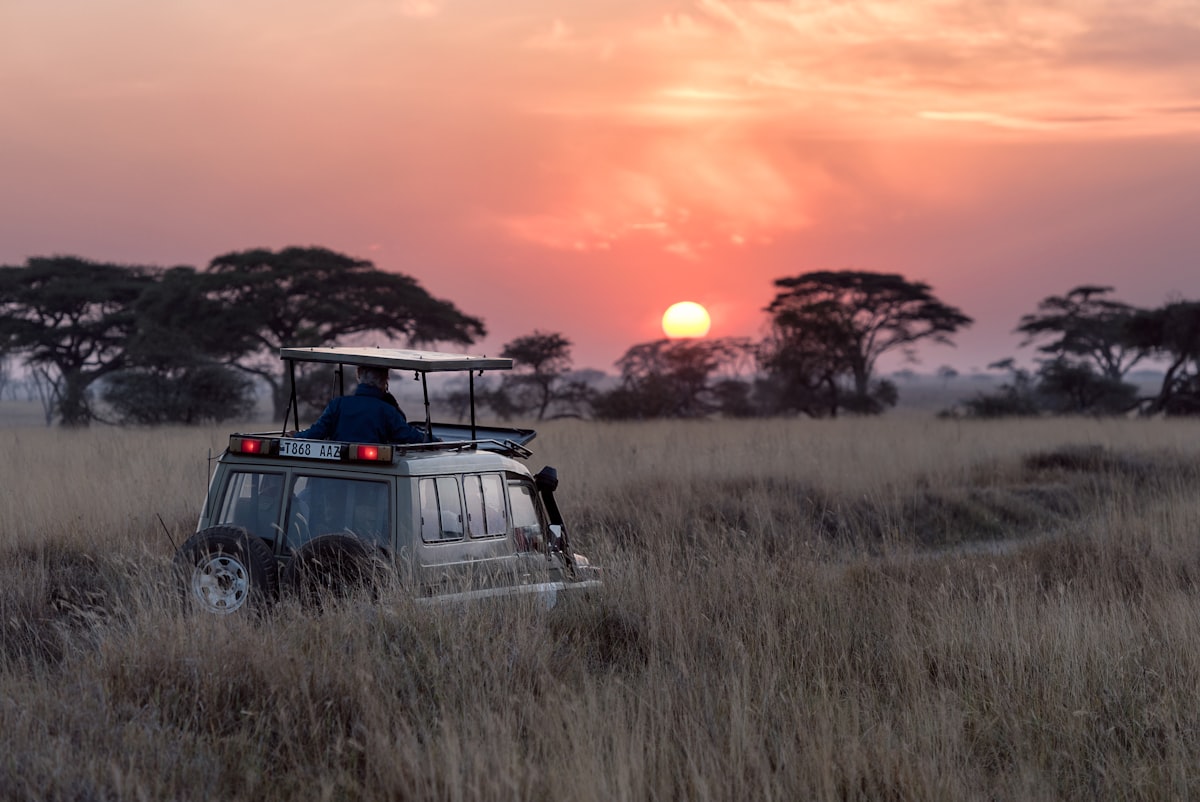
DESTINATION GUIDE // RWANDA
Akagera National Park
Rwanda only savanna park, and one of the great conservation turnarounds in Africa. Big Five again since 2017.
1,122 km2
PARK AREA
Big Five
SINCE 2017
110 km
FROM KIGALI
490+
BIRD SPECIES
2010
TURNAROUND BEGAN


GENERAL OVERVIEW
About Akagera National Park
Akagera is Rwanda’s only savannah park and its only Big Five destination. It runs along the Tanzanian border in the east, covering 1,122 square kilometres of rolling acacia woodland, open grassland and a chain of papyrus lakes and swamps fed by the Akagera River. That water is what sets it apart. Roughly a third of the park is wetland, which is unusual in East Africa and gives Akagera a softer, greener character than the dry plains further south.
The park nearly disappeared. After 1994 it lost around two thirds of its area to resettlement and its lions and rhinos were wiped out. Since 2010 it has been managed jointly by the Rwanda Development Board and African Parks, and the turnaround has been remarkable. Lions returned in 2015, eastern black rhino in 2017 and white rhino in 2021. Akagera now funds most of its own operating costs from tourism, which is rare for an African park.
It sits about two and a half hours east of Kigali on tarmac, which makes it the natural savannah half of a Rwanda trip built around gorilla trekking in Volcanoes National Park.
WILDLIFE
What You Will Actually See
The Big Five, with effort. Elephant, buffalo and both rhino species are present, along with a lion population rebuilt from seven founders to well over forty. Leopard are here but genuinely difficult. Buffalo and elephant are the most reliable sightings, usually in the south around Lake Ihema and the Kilala plains.
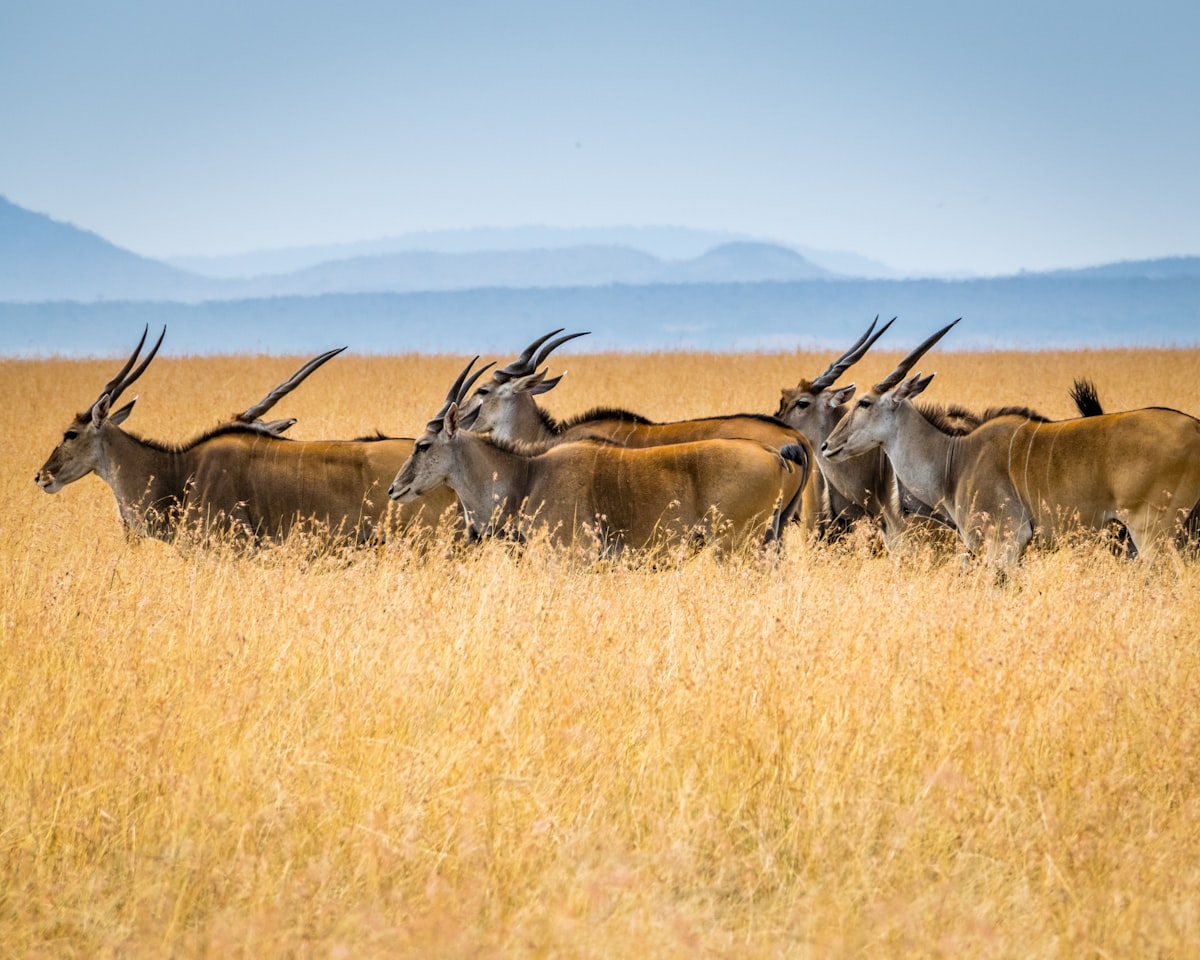
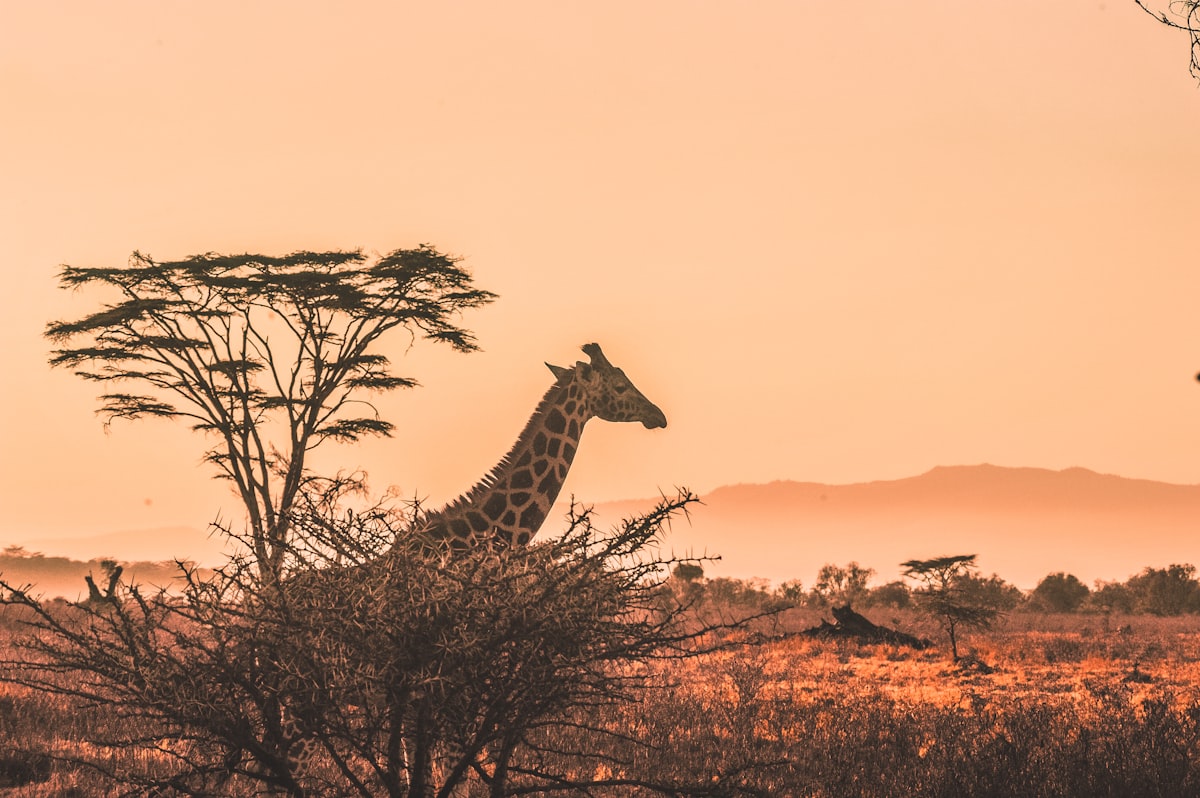
Plains game in numbers. Masai giraffe, zebra, topi, impala, eland, roan antelope, oribi, bushbuck and defassa waterbuck. Topi in particular are everywhere in the central grasslands.
Water species. The lakes hold large hippo pods and some of the biggest Nile crocodiles in the region. Sitatunga, the swamp dwelling antelope, live in the papyrus but are rarely seen.
Birds. Around 490 species, exceptional for a park this size. The prize is the shoebill, resident in the papyrus of Lake Ihema and the northern swamps. Papyrus gonolek, red faced barbet, which is a Rwanda near endemic, and large numbers of storks, herons and fish eagles round it out.
THINGS TO DO
Activities and Excursions
Game drives. The core activity, on a road network that runs the length of the park from the southern Lake Ihema area up to the northern Kilala and Mutumba plains. A full day crossing the park is the best way to see the range of habitats.
Boat safari on Lake Ihema. An hour on the water among hippo, crocodile and waterbirds. Scheduled departures run several times daily and private charters can be arranged. This is the most likely place to see a shoebill.
Night drive. Akagera is one of the few parks in the region that permits them. Expect bushbaby, genet, civet, white tailed mongoose and occasionally hyena or leopard.
Behind the scenes conservation tour. Time with the rhino tracking and helicopter teams, explaining how the reintroductions are monitored. Booked in advance and worth it if the conservation story interests you.
Fishing on Lake Shakani. Catch and release for tilapia and catfish, with permits issued at reception.
WHY VISIT
What Akagera Is Known For
Three things bring people here.
The first is that it completes Rwanda. A country the size of Wales that offers mountain gorillas, chimpanzees in Nyungwe and Big Five savannah within a few hours’ drive of each other is a genuinely unusual proposition, and Akagera is the piece that makes it complete.
The second is the water. Boat safaris, lake edge camps and hippo filled shallows give it a different rhythm to the dry season plains of the Serengeti or Masai Mara. You spend as much time looking at reeds and shoreline as you do at open grass.
The third is the recovery itself. Watching a park come back from near total collapse, with rhino on the ground and lion prides breeding, is a different kind of safari experience to simply counting species.
BEST TIME TO VISIT
When To Go
June to September, the long dry season. The best game viewing. Grass is short, the wetlands shrink and animals concentrate at permanent water. Roads are firm throughout.
December to February, the short dry season. Also good, slightly greener and quieter than the mid year peak.
March to May, the long rains. The park is at its most beautiful and at its emptiest. Some tracks in the north become difficult and a 4×4 is essential. Rates drop noticeably.
October and November, the short rains. Afternoon storms, excellent birding as migrants arrive, and good value.
Because Akagera is usually paired with gorilla trekking, most travellers visit in the June to September or December to February windows, which suit both.
GETTING THERE
How To Reach The Park
By road from Kigali. Around 110 km to the southern Kiyonza gate, two to two and a half hours on good tarmac with a short stretch of graded road at the end. This is how almost everyone arrives.
To the northern gate. Nyungwe gate in the north is roughly three hours from Kigali. Useful if you are staying at the northern camps or continuing towards the Ugandan border.
By air. Akagera Aviation runs helicopter transfers from Kigali in about twenty five minutes. Fast, expensive and spectacular over the lakes.
We handle transfers door to door from Kigali International Airport or your Kigali hotel, and the same vehicle stays with you for the whole trip.
ENTRY FEES
Park Fees and Practicalities
Fees are set by African Parks and the Rwanda Development Board and are charged per person per day. At the time of writing, international visitors pay 100 US dollars per adult per day and 50 dollars for children aged six to twelve. Children under six enter free. East African residents and Rwandan nationals pay substantially reduced rates.
The boat safari on Lake Ihema is charged separately, at around 45 dollars per person for a scheduled departure. Night drives run at about 50 dollars per person. Behind the scenes tours are priced individually and must be booked ahead.
Gates open at 6am and close at 6pm. All fees, activity charges and conservation levies are itemised in the quote we send you, so nothing is collected at the gate on the day.
WHERE TO STAY
Lodges and Camps
Magashi Camp. Six tents on the shore of Lake Rwanyakazinga in the far north, run by Wilderness. The most exclusive address in the park and in the best game area for lion and leopard.
Ruzizi Tented Lodge. Nine tents on Lake Ihema, eco built and community linked, in the south near the main gate. Excellent value and the hippos are loud at night.
Akagera Game Lodge. A larger conventional hotel with a pool, suited to families and groups who want rooms rather than tents.
Camping. Three public campsites at Shakani, Mutumba and Muyumbu for travellers on a tighter budget.
Many visitors also stay in Kigali and day trip, though a night inside the park is worth it for the early morning and the night drive.
SAFETY AND TRAVEL TIPS
What To Know Before You Go
Malaria. Akagera sits at low altitude and is a malaria area, unlike Kigali and the volcanoes. Take prophylaxis and use repellent at dusk.
Vehicle. A 4×4 is required in the wet season and strongly advised year round. Self drivers must carry a park map and stay on marked tracks.
Guides. A freelance park guide can be hired at the gate and is worth it. Our vehicles come with a Sola guide already.
Tsetse flies. Present in wooded areas. Avoid dark blue and black clothing, which attracts them.
Rhino sightings. Locations are not published, for obvious reasons. Sightings are a matter of luck, not itinerary.
Plastics. Rwanda bans single use plastic bags nationwide and they are confiscated on arrival at the airport.
TOURS WITH US
Safaris With Sola Safari Travels
We build Akagera into Rwanda itineraries rather than selling it as a standalone. The usual shape is three nights: gorillas in Volcanoes, a transfer across the country, then two nights in Akagera with a full day game drive and a boat safari. Add Nyungwe and you have a week that covers gorillas, chimpanzees and the Big Five.
Every trip runs in a private 4×4 with a driver guide who knows the park, all fees and activities booked in advance, and one point of contact from the first enquiry to the airport transfer home.
RELATED PACKAGES
Safaris That Include This Park

KEY QUESTIONS
Akagera Safari, Key Questions
Is Akagera worth visiting if I have been on safari in Kenya or Tanzania?
As a standalone, probably not. As the savannah half of a Rwanda gorilla trip, absolutely. The wetlands and the boat safari give it something the Mara and Serengeti do not have.
Can I see all of the Big Five in one visit?
Realistically you will see elephant, buffalo and probably lion and rhino over two full days. Leopard sightings are uncommon.
How many days do I need?
Two nights is the sweet spot. One night works if you arrive early and leave late, but you will feel rushed.
Is it safe?
Yes. Rwanda is one of the safest countries in Africa to travel in and the park is well managed and well patrolled.
Can I visit as a day trip from Kigali?
Yes, and many people do. You lose the early morning and the night drive, which are the best parts.
EXPLORE MORE
Pair This With


Your Akagera Safari Starts Here
Tell us your dates and group size. We will reply within 24 hours with a tailor made proposal and a clear price.
TAILOR MADE SAFARI
Want to Know More? Talk to Us
Create an unforgettable memory with a customised Kenya or Tanzania safari. Tell us how you like to travel and our safari experts will shape the route around you, with no obligation.
Phone: +254 736 992 608
Email: info@solasafaritravels.com