DESTINATION GUIDE // RWANDA
Nyungwe Forest National Park
One of the oldest rainforests in Africa, with a canopy walkway suspended sixty metres above the valley floor.
1,019 km2
PARK AREA
13
PRIMATE SPECIES
60m
CANOPY WALKWAY
2023
UNESCO SITE
300+
BIRD SPECIES

GENERAL OVERVIEW
About Nyungwe National Park
Nyungwe is one of the oldest rainforests in Africa, old enough to have survived the last ice age when most of the continent’s forests did not. It covers roughly 1,020 square kilometres across the mountains of southwest Rwanda and forms the largest protected montane forest in East and Central Africa.
It also sits on the continental watershed. Rain falling on one side of Nyungwe drains to the Congo and the Atlantic, rain on the other side drains to the Nile and the Mediterranean. One of the most remote sources of the Nile has been traced to a spring inside this forest.
Nyungwe became a national park in 2004, has been managed with African Parks since 2020, and was inscribed as a UNESCO World Heritage Site in 2023. It is the primate capital of Rwanda, with thirteen species recorded, and the reason most travellers come here is the chimpanzees and the canopy walkway.
WILDLIFE AND LANDSCAPES
Species And Terrain
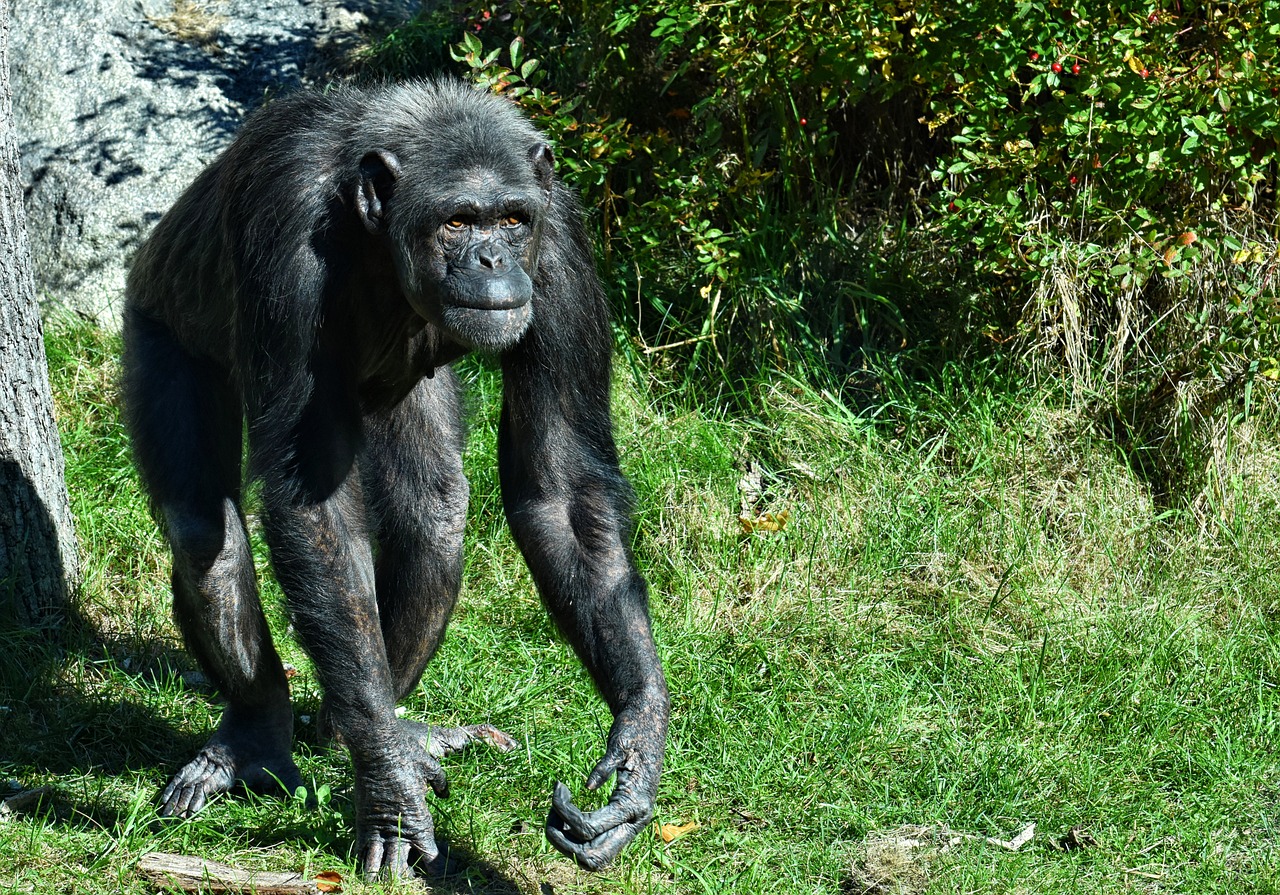
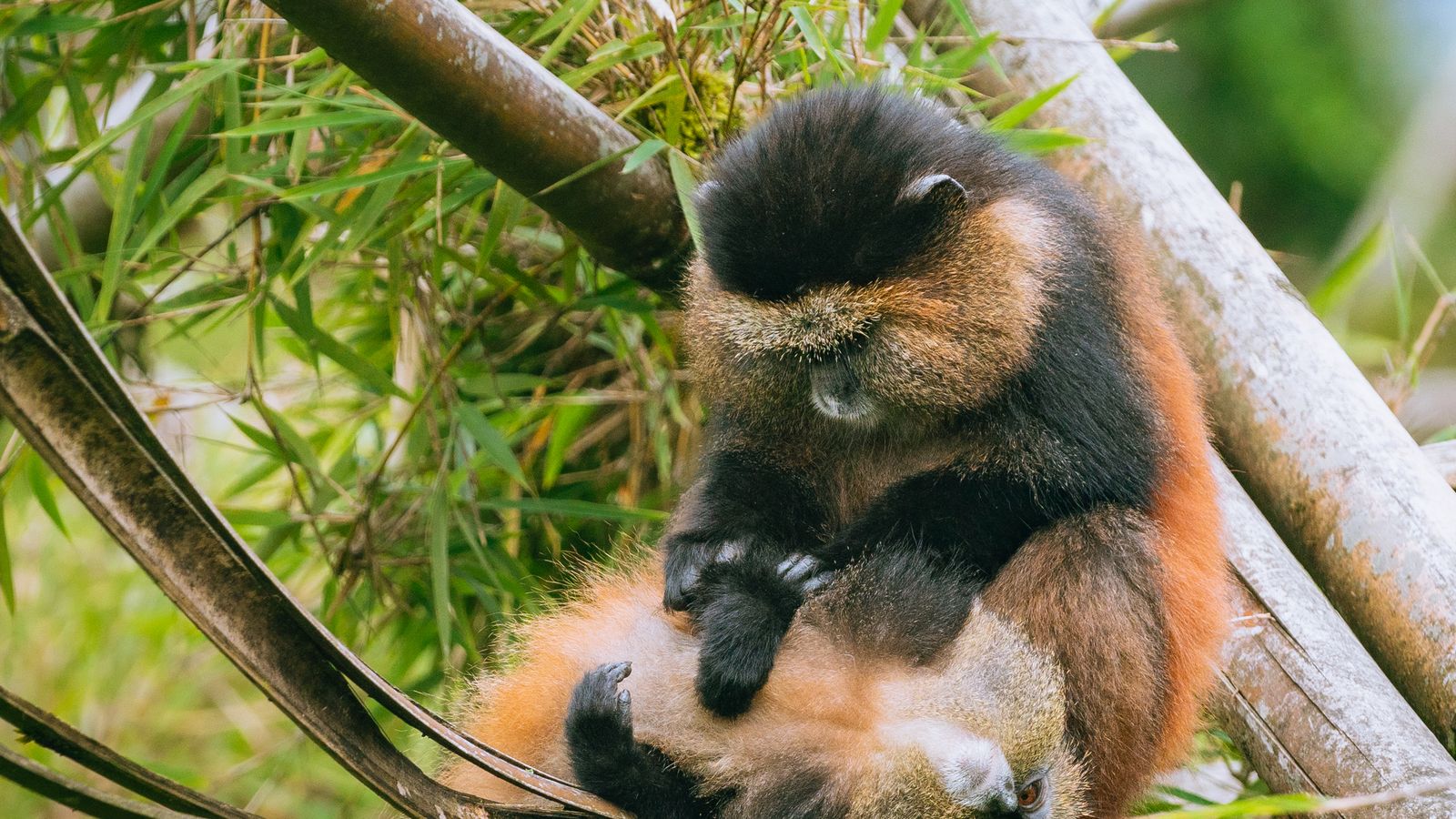
Primates. Thirteen species, the highest count anywhere in Rwanda. Chimpanzees are the headline, but the Angolan colobus troops are arguably the better sighting: super-groups here can exceed 300 animals, among the largest arboreal primate troops recorded anywhere. Also L’Hoest’s monkey, grey cheeked mangabey, red tailed monkey, silver monkey, golden monkey, olive baboon, owl faced monkey and vervet.
Birds. Over 300 species with around 29 Albertine Rift endemics, which makes Nyungwe the single best birding site in Rwanda. Great blue turaco, Rwenzori turaco, red collared babbler, Grauer’s rush warbler and handsome francolin.
Plants. More than 1,000 plant species including around 140 orchids and giant tree ferns and lobelias. The forest canopy runs to 50 or 60 metres in the older stands.
Terrain. Mountain rainforest between 1,600 and 2,950 metres, cut by steep valleys, waterfalls and tea estates around the edges. Expect mist, moss and a great deal of green.
CHIMPANZEE TREKKING
Tracking Chimps In Nyungwe
Two habituated communities are open to visitors. The larger group is tracked from Uwinka in the centre of the park, the other from Cyamudongo, an isolated fragment of forest about an hour and a half southwest that holds around thirty animals.
Treks start early, usually a 5am departure from your lodge, because the chimps move at first light and trackers follow their calls. You walk for anywhere from one to four hours on steep, often slippery trails, and you get one hour with them once found.
Be realistic about what you see. Chimps move fast, spend much of their time high in the canopy and do not sit and pose the way gorillas do. Sightings are common but not guaranteed, roughly 80 per cent in a good season, and the Cyamudongo group tends to give the better views because the forest patch is smaller.
Minimum age is fifteen. A permit costs about 150 US dollars for international visitors and includes guiding and park entry for that day.
THINGS TO DO
Activities Beyond The Chimps
The canopy walkway. A 160 metre suspension bridge 70 metres above a forest ravine on the Igishigishigi trail, the only one of its kind in East Africa. About 40 US dollars for international visitors and the single most photographed thing in the park.
Colobus tracking. Following the big Angolan colobus super-groups. Easier walking than chimp trekking and often more rewarding visually.
Isumo waterfall trail. A steep, beautiful walk through tea estates and forest to a seventeen metre waterfall. Around four hours return.
Birding. Dedicated guides and the Bigugu and Kamiranzovu trails for endemics.
Kamiranzovu marsh. The largest high altitude wetland in Rwanda, good for orchids and swamp specialist birds.
Tea and coffee. Gisakura and Kitabi tea estates on the park boundary run tours and tastings.
WHY VISIT
What Nyungwe Is Known For
Nyungwe offers something no other Rwandan park does, which is genuine rainforest. After the volcanic slopes of the Virungas and the savannah of Akagera, the change in atmosphere is complete: mist, moss, calling colobus and 60 metre trees.
It is also the country’s best value primate experience. A chimpanzee permit at around 150 dollars against 1,500 for gorillas puts a full day of primate tracking within reach of far more travellers, and the colobus super-groups cost less again.
And it unlocks the discounted gorilla permit. Visitors who include Nyungwe or Akagera in the same trip pay 1,050 dollars rather than 1,500 for their Volcanoes permit, which often covers most of the cost of adding the forest.
BEST TIME TO VISIT
When To Go
June to September, the long dry season. The most comfortable trekking and the firmest trails. This is the busiest window.
December to February. A drier interval with good conditions and slightly fewer visitors.
March to May, the long rains. Nyungwe is a rainforest, so it rains here in every month, but this is the wettest period and trails become genuinely difficult. Fruiting is heavy, which brings chimps lower and closer.
October and November. Short rains, usually afternoon showers, with good birding and better availability.
Expect rain whenever you come and pack for it. That is the nature of the place rather than bad luck.
GETTING THERE
How To Reach The Park
By road from Kigali. Around 225 km to the Uwinka reception area, five to six hours through the mountains via Huye. The road is tarmac and in reasonable condition but the last stretch is winding.
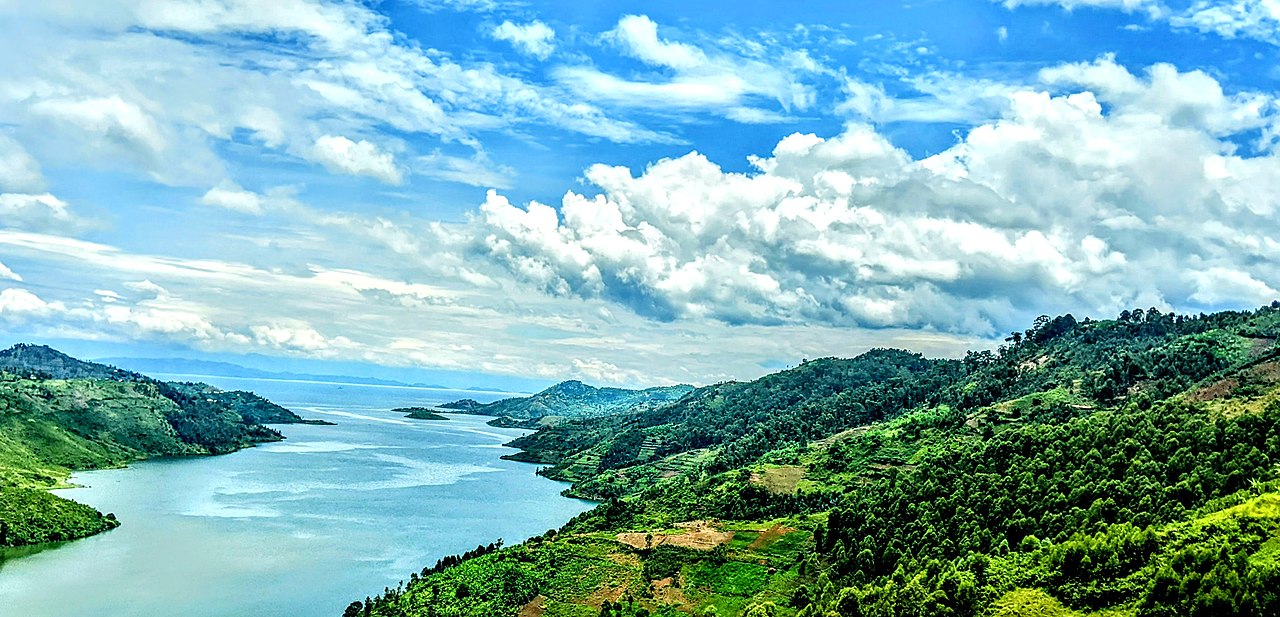
From Lake Kivu. About two to three hours from Rusizi or Kamembe in the south, which makes Lake Kivu the natural stop on the way in or out.
By air. Scheduled flights run from Kigali to Kamembe airport near Rusizi in about half an hour, then an hour by road to the park. This is the sensible option if you are short on time.
We drive the route with a stop at the Nile-Congo divide viewpoint and through the tea estates, which turns a long transfer into part of the trip.
PARK FEES AND PERMITS
What You Pay
Park entry for international visitors is around 100 US dollars per day, with reduced multi-day rates. Chimpanzee trekking is about 150 dollars and includes entry for that day. The canopy walk and other guided activities such as colobus tracking, birding and the waterfall trail are about 40 dollars each for international visitors.
Rwandan and East African Community citizens pay dramatically less, around 5 dollars per activity, and African residents sit between the two.
Fees go to African Parks and the Rwanda Development Board. Everything is booked and paid in advance as part of your itinerary, so there is nothing to settle at the gate.
WHERE TO STAY
Lodges And Camps
One&Only Nyungwe House. Twenty two rooms on a working tea estate on the park edge, the only genuine luxury option and the most convenient base for early chimp treks.
Nyungwe Top View Hill Hotel. Cabins on a ridge above the forest with wide views, mid range and popular.
Gisakura Guest House. Simple, close to the Cyamudongo trailhead and the colobus troops, and by far the best value in the area.
Uwinka campsite. Basic camping inside the park at the main reception, for travellers on a tight budget.
Because treks leave at 5am, staying within thirty minutes of the trailhead matters more here than the standard of the room.
TOURS WITH US
Safaris With Sola Safari Travels
Nyungwe is rarely a trip on its own. We usually build it as two nights inside a Rwanda circuit: gorillas in the Virungas, a night on Lake Kivu, then the forest, before flying out of Kamembe or driving back to Kigali. That shape also triggers the reduced gorilla permit rate.
All permits are secured on confirmation, transfers run in a private 4×4 with a driver guide, and the early starts are planned around your lodge so you are at the trailhead when the trackers are.
SAFARI PACKAGES
Safaris That Include Nyungwe
Nyungwe works best as part of a wider Rwanda circuit, and including it reduces the cost of your gorilla permit. All departures are private.

3 DAYS / 2 NIGHTS
3 Days Rwanda Gorilla Trek
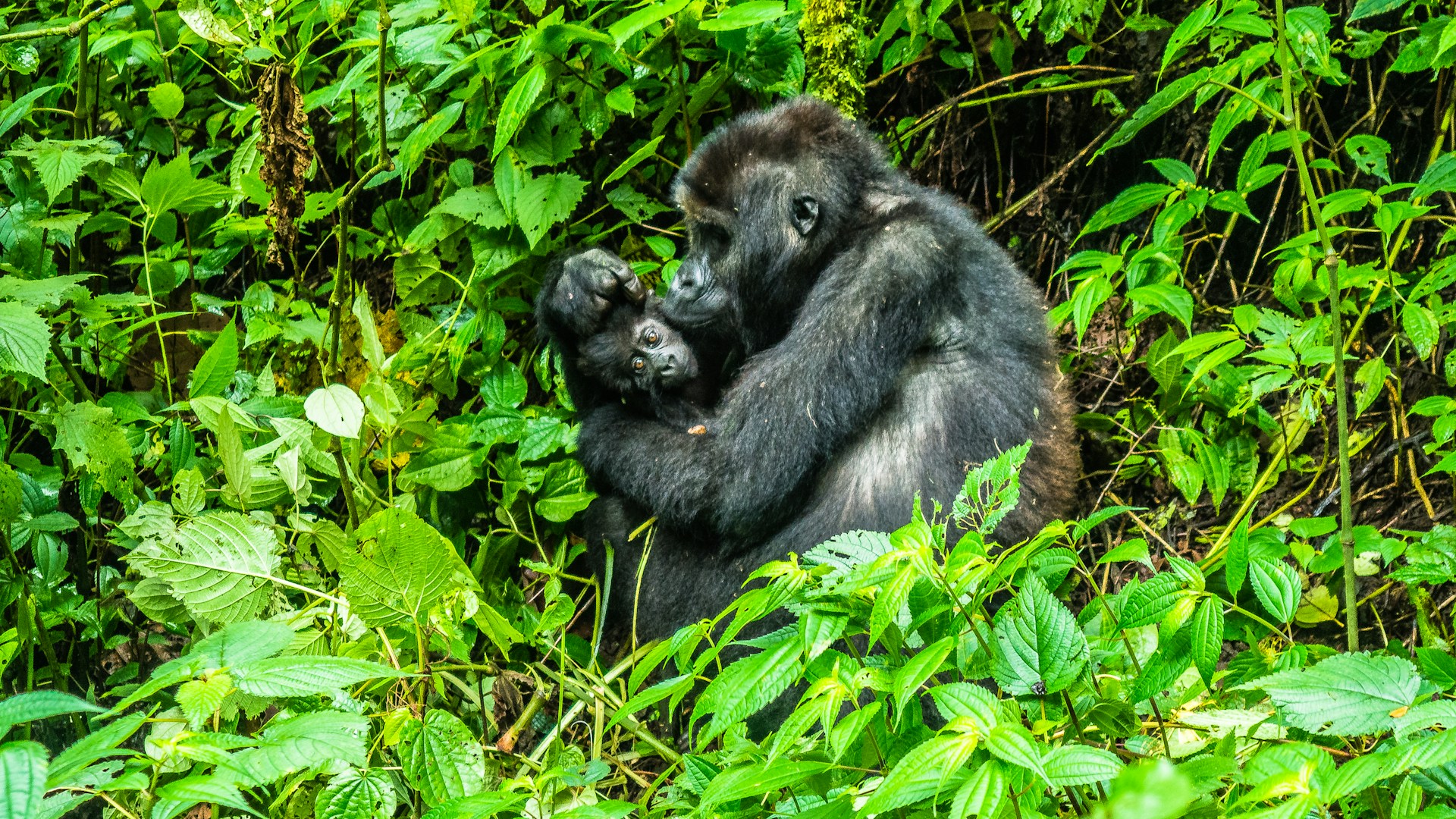
The shortest gorilla trip in Africa. Kigali to the Virunga slopes in under three hours.
From $2,450 per person
6 DAYS / 5 NIGHTS
6 Days Gorillas and Chimpanzees Uganda
Gorillas in Bwindi and chimpanzees in Kibale, with Queen Elizabeth in between.
From $2,650 per person

10 DAYS / 9 NIGHTS
10 Days Ultimate East Africa
Amboseli, the Masai Mara, the Serengeti and the Ngorongoro Crater at an unhurried pace.
From $2,300 per person
KEY QUESTIONS
Nyungwe Safari, Key Questions
About 150 US dollars per person for international visitors, which includes guiding and park entry for that day. East African citizens pay far less. Park entry on its own is around 100 dollars per day and other activities such as the canopy walk are about 40 dollars.
No. Sightings run at roughly 80 per cent in a good season. Chimps move quickly and spend a lot of time in the canopy, so views are often brief and high up. The Cyamudongo group generally gives closer sightings than the Uwinka group.
It sways, and it is 70 metres above the ravine, but it is a solid engineered structure with high side netting. Most people who are uneasy about heights manage it. There is a shorter ground level loop if you would rather not.
Different experience entirely. Gorillas are a single, still, close hour with very large animals. Chimps are noisy, fast and high in the trees. Nyungwe is also a tenth of the price and adds rainforest, colobus super-groups and the best birding in Rwanda.
Five to six hours by road, or about thirty minutes by air to Kamembe and then an hour on the road. Most itineraries break the journey with a night on Lake Kivu.
Waterproof boots with grip, a rain jacket, long trousers and sleeves, insect repellent and a dry bag for cameras. It rains in every month here, so waterproofing is not optional.
EXPLORE MORE
Pair Nyungwe With Other Destinations
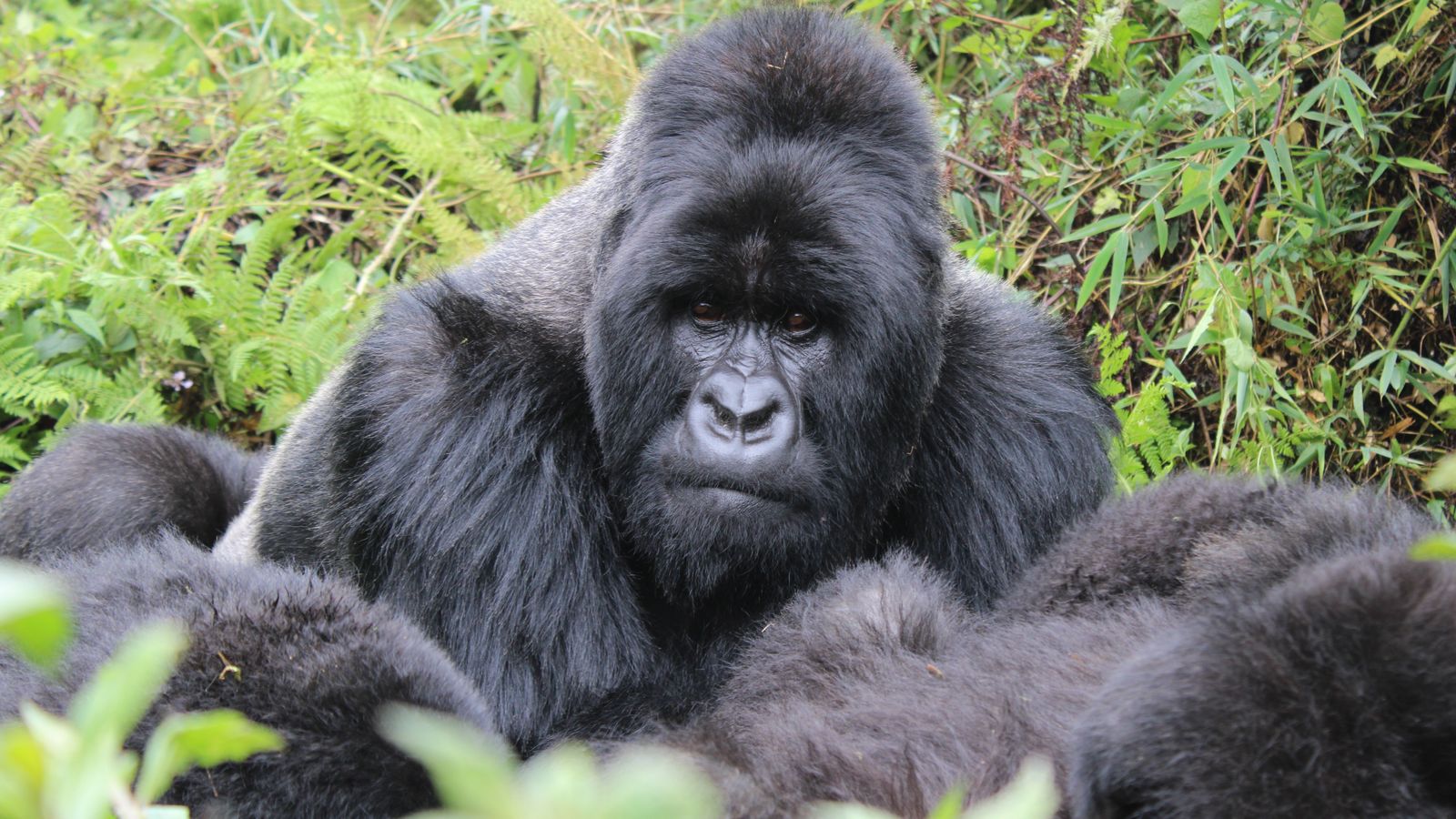
The forest sits in the southwest, which makes the lake and the volcanoes an easy onward run.
Your Nyungwe Safari Starts Here
Tell us your dates and group size. We will reply within 24 hours with a tailor made proposal and a clear price.
TAILOR MADE SAFARI
Want to Know More? Talk to Us
Create an unforgettable memory with a customised Kenya or Tanzania safari. Tell us how you like to travel and our safari experts will shape the route around you, with no obligation.
Phone: +254 736 992 608
Email: info@solasafaritravels.com